

Change is coming to radiation safety in New South Wales. The state government has updated the rules governing how organisations handle radiation equipment and materials. Under the Protection from Harmful Radiation Regulation 2025, any organisation responsible for radiation practices must have a documented, customised Radiation Management Plan. This mandatory requirement takes full effect on 1 September 2026 and creating a comprehensive safety framework takes time. Practice owners and managers need to start evaluating their current protocols today.
Medical, Veterinary, Dental Clinics & More
The new regulation affects a wide variety of imaging practices. Medical clinics, dental surgeries, veterinary hospitals, and chiropractic offices all fall under this mandate. If your organisation uses diagnostic imaging equipment or handles radioactive substances, you must comply. The regulatory shift moves the industry away from assumed knowledge. Instead, the government now requires concrete, documented evidence of safety procedures.
The NSW Environment Protection Authority regulates these changes. Their core objective focuses on standardising safety across all relevant industries. They want to ensure every practice implements a structured approach to radiation safety. A Radiation Management Plan serves as a detailed operational manual for your practice, outlining exactly how your organisation protects staff, patients, and the public from unnecessary radiation exposure.
This document must reflect the unique realities of your specific workplace, and a generic template will not satisfy the regulatory requirements or protect your team adequately. You need a tailored strategy and a customised Radiation Management Plan.
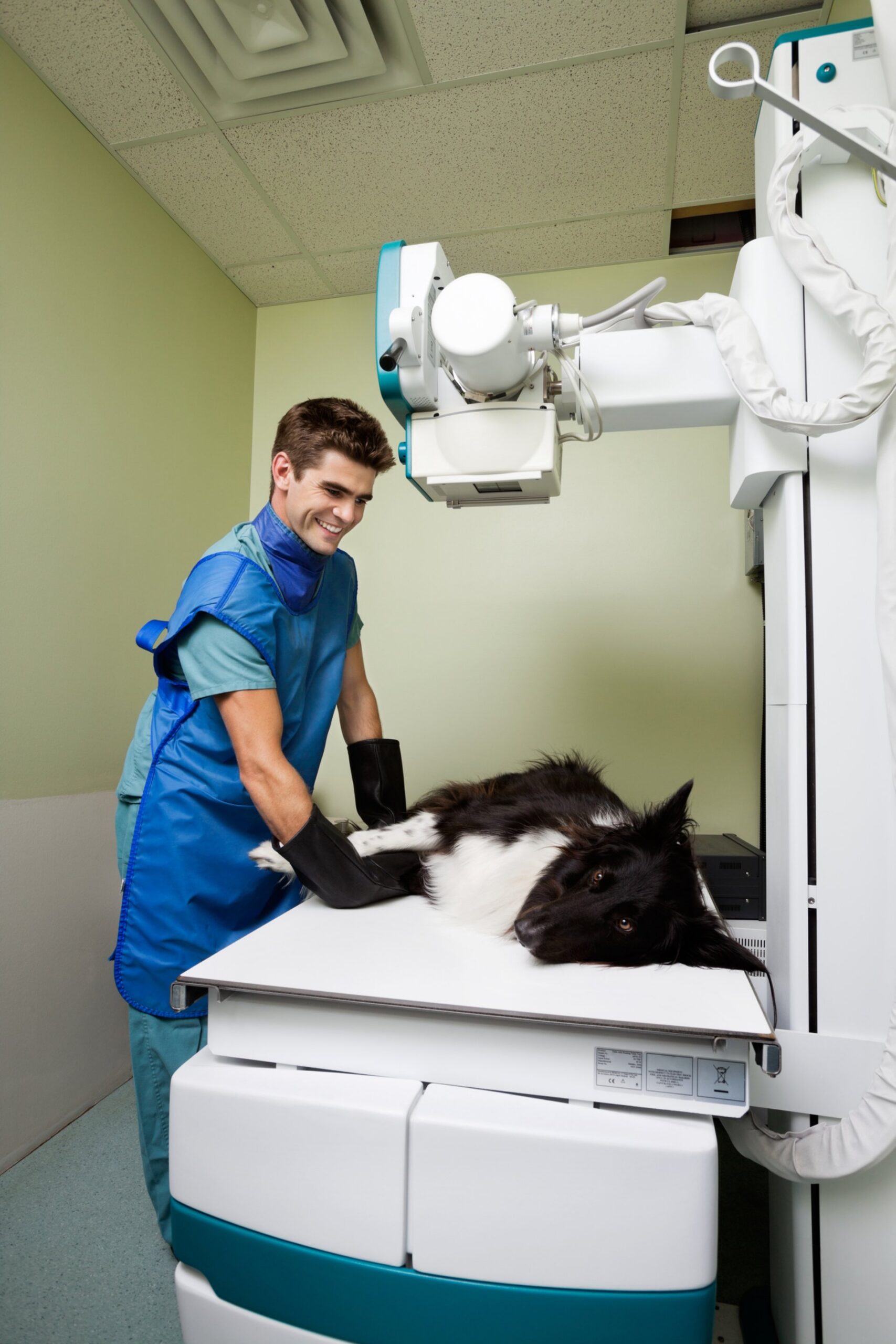
Core Elements of a Compliant Management Plan
A successful Radiation Management Plan addresses several distinct operational areas. You must detail leadership roles, risk assessments, operational procedures, and emergency responses. Each section requires careful thought and clear documentation.
- Defining Roles and Responsibilities
- Conducting Comprehensive Risk Assessments
- Establishing Standard Operating Procedures
- Monitoring Exposure Levels
- Staff Training and Education
- Preparation for Incidents and Emergencies
- Regular Reviews and Maintenance
The Impact on DIAS Accreditation Requirements
The introduction of the new NSW radiation regulations does not just affect your standing with the local EPA; it directly impacts your Diagnostic Imaging Accreditation Scheme (DIAS) status. Starting 1 September, DIAS assessors will expect a fully compliant, documented Radiation Management Plan (RMP) to be included with all accreditation submissions.
Whether you are applying for initial accreditation or submitting documentation for your routine re-accreditation, your application will be considered incomplete without this tailored RMP. Assessors will be strictly looking for evidence that your plan is a customised framework actively utilised within your practice, rather than a generic, off-the-shelf template. Failing to provide this document will stall your accreditation process and could jeopardise your ability to operate or claim Medicare funding for diagnostic imaging services.
How to Achieve Compliance Without the Stress
Drafting a comprehensive, legally compliant document requires specific expertise. We know many practice owners find the technical requirements overwhelming. Balancing patient care with administrative burdens leaves little time for studying regulatory legislation. You do not have to handle this process alone.
At Excelsior Accreditation, we offer the exact support your organisation needs right now. With over 20 years of industry experience, our team understands the complexities of healthcare compliance. We have built a strong reputation by assisting medical professionals in meeting and maintaining their DIAS certification. We successfully streamline essential administrative processes for valued clients across all specialties offering diagnostic imaging services.
We take the guesswork out of the new NSW regulations. Our experts will prepare a complete Radiation Management Plan designed specifically to fit your purpose and requirements. We do not rely on generic templates. Instead, we evaluate your specific operational needs and build a customised and compliant safety framework that works for your unique team.
Our services extend far beyond general medical imaging. We offer expert advice and support to any practice in any industry across every state. Whether you operate a chiropractic clinic, a veterinary hospital, or a dentistry practice, our team understands your specific equipment and safety needs. If you are starting a brand new practice, we can establish your compliance framework from day one. If you want to achieve full accreditation for an existing practice, we provide the expert guidance required to reach that goal.
Start Your Preparation Today
The introduction of mandatory Radiation Management Plans represents a positive step forward for occupational health and safety in New South Wales. The Protection from Harmful Radiation Regulation 2025 ensures every facility operates to a high standard. It protects workers, patients, and the community.
Auditing your equipment, defining safety roles, and writing comprehensive procedures takes careful planning. Evaluate your current safety protocols this week. Identify the gaps in your documentation. Reach out to our team so we can guide you through the compliance process efficiently. Taking action today ensures your organisation remains safe, efficient, and fully compliant well ahead of the regulatory deadline.
FAQs
Under the Protection from Harmful Radiation Regulation 2025, any NSW organisation handling radiation equipment must implement a documented Radiation Management Plan. This mandatory requirement takes full effect on 1 September 2026. Failing to comply can result in fines. Contact Excelsior Accreditation today to start your preparation and develop a custom solution.
The mandate applies to any NSW workplace operating diagnostic imaging equipment or handling radioactive materials. Medical clinics, veterinary hospitals, dental surgeries, and chiropractic offices all must comply. Excelsior Accreditation builds tailored Radiation Management Plans specifically for these diverse industries. Reach out to our team to secure your workplace compliance seamlessly.
Generic templates fail to meet the strict NSW EPA regulatory standards. The government requires a detailed plan reflecting the unique equipment, physical layout, and daily operations of your specific practice. Excelsior Accreditation writes completely customised documentation fitting your exact operational requirements. Contact us today to discuss your facility setup.
A legally compliant plan details leadership roles, thorough risk assessments, standard operating procedures, and emergency response protocols. It also mandates clear outlines for continuous staff training and personal radiation monitoring processes. We simplify these complex administrative requirements for you. Let Excelsior Accreditation structure your complete plan. Contact us today.
Missing the deadline exposes your practice to severe regulatory risks. Authorities can issue substantial financial penalties or entirely suspend your licence to operate radiation equipment. This outcome halts your imaging services and damages revenue. Avoid risking your operational status entirely. Contact Excelsior Accreditation now to guarantee your timely compliance.